Polityka prywatności
Zasady dostawy
Zasady reklamacji
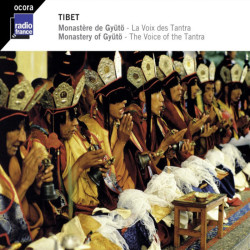
Folk/Muzyka tradycyjna/Muzyka Rytualna
premiera polska: 2016-03-08
kontynent: Azja
kraj: Tybet
opakowanie: digipackowe etui
opis:
Gyuto (also spelled Gyütö or Gyüto) Tantric University is one of the great monastic institutions of the Gelug Order.
Gyuto was founded in 1475 by Jetsun Kunga Dhondup and is one of the main tantric colleges of the Gelug tradition. In Tibet, monks who had completed their geshe studies would be invited to join Gyuto or Gyume, another tantric institution, to receive a firm grounding in vajrayana practice. Both of these monasteries used to be in Lhasa, Tibet, but they have been re-established in India. At the time of the Chinese invasion in 1950, about 1000 monks were part of the monastery. On 21 March 1959, soon after the 14th Dalai Lama had left Lhasa for exile in India, Ramoche was a focus of military operations by the Chinese People's Liberation Army. "One especially valuable memoir is provided by the Fifth Yulo Rinpoche, a monk at Gyuto Upper Tantric College and organizer of defense of Ramoche Temple, who says that 'the Chinese Communists shot Tibetans indiscriminately, whether they had taken part in the resistance or not, and ambushed and killed many Tibetans who ran to Ngabo's house for sanctuary.' Another witness, Jampa Tenzin, has stated in a personal interview that he saw fleeing beggars and children slain near Ramoche Temple, a report corroborated in other Tibetan memoirs."
60 Gyuto monks fled to India in 1959. After initially gathering in Dalhousie, India, the monastery was established in Tenzing Gang, in Arunachal Pradesh, India. The main monastery is now based in Sidhbari, near Dharamsala, India. Today, there are nearly 500 monks in the entire order. Ramoche Temple in Lhasa was located inside Gyuto Monastery
The Gyuto monks are known for their tradition of overtone singing, also described as "chordal chanting" which is said to have been transmitted by their founder. It achieved renown in the West following the release of recordings made by David Lewiston in 1974 and in 1986 by Windham Hill Records.
In 1995, a group of Gyuto Monks travelled to the United States and performed during a series of concerts with the Grateful Dead.[2] Under the name "Gyüto Monks Tantric Choir", they appeared on the Mickey Hart/Planet Drum album Supralingua, as well as the Van Halen album Balance
muzycy:
Tibetan monks from the monastery in Gyütö
utwory:
CD1:
1. Monastère De Gyütö: Tantra dit de "l'Assemblée secrète"
2. Monastère De Gyütö: Initiation au culte de Yamantaka
3. Monastère De Gyütö: Rituel de consécration
CD2:
1. Monastère De Gyütö: Le Grand Noir (Mahâkâla)
2. Monastère De Gyütö: Libation dorée
3. Monastère De Gyütö: Prère de "Bon augure"
wydano: 2016
more info: www.radiofrance.fr/divers/boutique
Opis